

If there’s one hike in Greece that should be on every traveler’s list to visit, it’s the Samaria Gorge. Nestled in the heart of the White Mountains of Crete, this epic natural wonder offers breathtaking views, rugged terrain, and the kind of outdoor adventure you’ll remember for a lifetime.
Stretching 16 kilometers from the Omalos Plateau to the Libyan Sea at Agia Roumeli, the Samaria Gorge National Park is Europe’s longest gorge and one of the top hiking destinations in Greece. It’s not just a hike—it’s an immersive journey through towering cliffs, lush pine forests, ancient villages, and sheer rock faces that will leave you in awe.
In this complete guide, we’ll take you through everything you need to know about visiting Samaria Gorge: how to get there, what to expect, when to go, and how to make the most of your Cretan hiking adventure.

Table of Contents
- What Is Samaria Gorge?
- Why Samaria Gorge Is So Famous
- How to Get to Samaria Gorge
- Where to stay near Samaria?
- What to Expect on the Trail
- When to Visit Samaria Gorge
- What to Bring for the Hike
- Wildlife and Nature at Samaria Gorge
- The End: Reaching Agia Roumeli
- Is Samaria Gorge Hike Right for You?
- Final Thoughts: Is the Samaria Gorge Worth It?
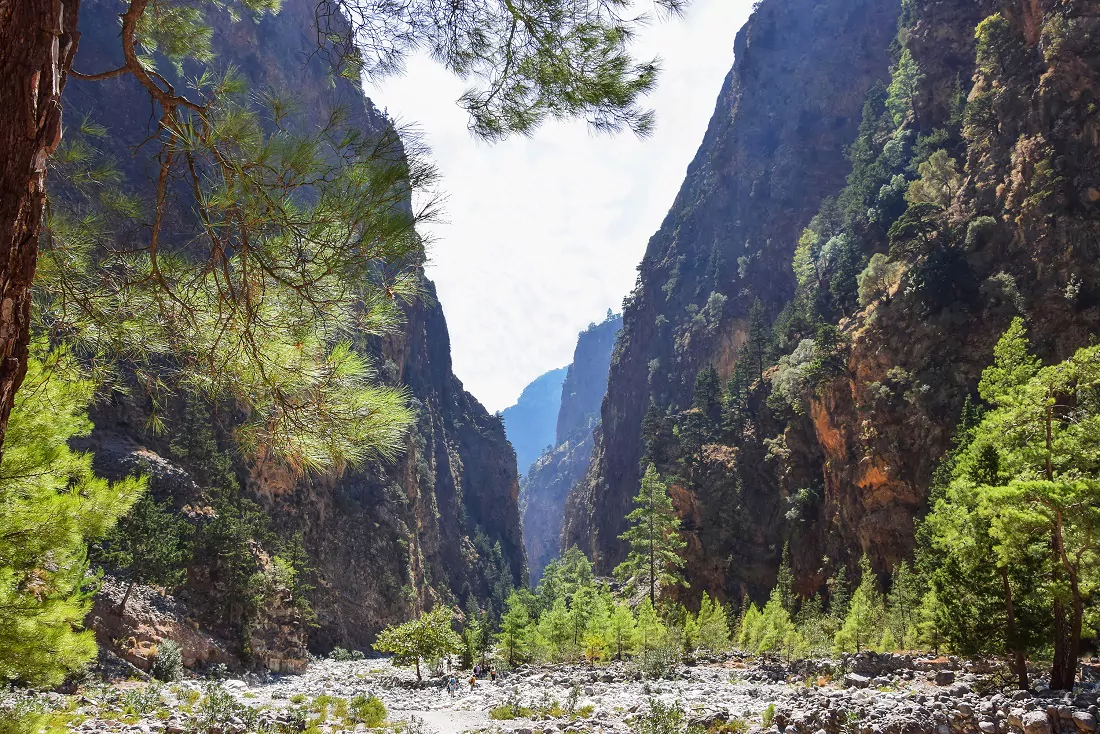
What Is Samaria Gorge?
The Samaria Gorge is a UNESCO-designated biosphere reserve located in the Lefka Ori (White Mountains) of western Crete. Carved over millennia by the river Tarraios, it starts at Xyloskalo, near the Omalos Plateau, and descends all the way to the coastal village of Agia Roumeli which is located in the south of Crete.
- Length: 16 km (10 miles)
- Difficulty: Moderate to challenging
- Duration: 4 to 7 hours, depending on pace and stops
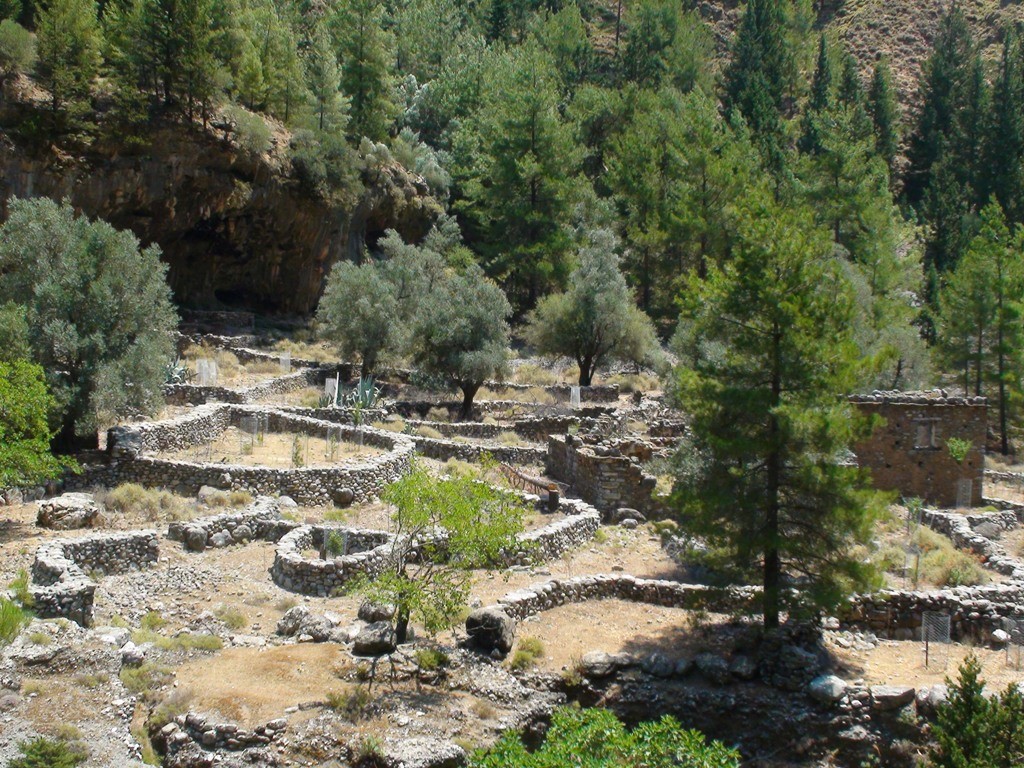
The gorge takes you through stunning and varied terrain: from towering cliffs over 600 meters high to narrow passages just 3 meters wide—most famously the “Iron Gates” (Sideroportes). Along the way, you’ll pass ancient ruins (old Samaria village), unique flora and fauna, and some of the most spectacular scenery in Crete.
Why Samaria Gorge Is So Famous
Samaria Gorge isn’t just a local treasure—it’s a world-renowned hiking destination. Here’s why it’s so popular among nature lovers and adventure seekers:
- Epic Natural Scenery: Sheer cliffs, wildflowers, pine forests, and crystal-clear streams.
- Cretan Meditarranean Wildlife: Home to the endangered Kri-Kri goat, vultures, and rare flora.
- A True Trekking Experience: A point-to-point hike from mountains to sea.
- Cultural and Historical Significance: Includes the ruins of the abandoned village of Samaria.

It’s a mix of physical challenge, natural wonder, and cultural immersion—perfect for outdoor lovers.
How to Get to Samaria Gorge
The trailhead is located at Xyloskalo, 1,200 meters above sea level, on the Omalos Plateau in western Crete. Here’s how to reach it:
By Bus (Public Transport)
From Chania, there are early morning buses (around 6:00 AM) that go directly to Xyloskalo during the hiking season.
- Operator: KTEL Chania-Rethymno
- Duration: ~1.5 hours
- Cost: Approx. €7–10
Return buses from Agia Roumeli (after you take the ferry) are also coordinated with ferry times.
By Car
You can drive to Xyloskalo and park your car, but since the hike is one-way, you’ll need to take the ferry boat that the goes to Sougia and then the bus (public trasportation- KTEL Chania-Rethymno), which returns you at the Xyloskalo parking area
Organized Hiking Tours
Many travelers opt for a guided or semi-guided tour from Chania, Rethymno, or Heraklion. These typically include:
- Early pickup
- Transfer to Xyloskalo
- Ferry ticket
- Return transport
- Optional guide or group leader
Do not hesitate to contact us for more information.
Where to stay near Samaria?
If you haven’t decided yet how to reach Samaria gorge or how to combine it with Chania and other nearby attractions, the best starting point is to choose a convenient region to base your stay. Ideally, this should be a place that offers comfort, accessibility, and easy access to the most beautiful sights in western Crete.
Artemis Apartments is one such place — located in Kato Stalos could serve the beginning of your explorations. Whether you’re planning day trips to Balos Lagoon, Elafonisi, or the Samaria Gorge, or you simply want to relax near the beach while staying close to Chania, Artemis Apartments provides an ideal blend of location, convenience, and hospitality.
What to Expect on the Trail
The Samaria Gorge hike is a well-marked, downhill trail that transitions from pine forests to rocky gorges to riverbeds and finally to the Libyan sea.
Key Landmarks:
- Xyloskalo (Trailhead) – Stunning views and a steep descent on stone steps.
- Samaria Village (Km 7) – The abandoned 14th-century village, a great rest stop.
- Iron Gates (Km 13) – Narrowest point of the gorge, only 3 meters wide, with 300m cliffs.
- Agia Roumeli (Km 16) – Small seaside village where you can swim, eat, and catch the ferry.
- The descent is hard on the knees—bring trekking poles.
- Most of the trail is downhill or flat, but the terrain is rocky.
- There are rest stops with water and toilets every few kilometers.
When to Visit Samaria Gorge
Samaria Gorge is only open seasonally, usually from May 1 to October 31, depending on weather and safety conditions.
Best Time to Hike:
- May to early June: Green, lush landscapes, blooming wildflowers, fewer crowds.
- Late September to October: Cooler temps, quieter trails, golden autumn light.
Summer Months (July–August)
- Very hot and more crowded.
- Start early (around 7:00 AM) to avoid midday heat.
Tip: Avoid visiting Samaria Gorge the day after a rainy day.
What to Bring for the Hike
You don’t need to be a seasoned mountaineer, but preparation is key.
Essential Packing List:
- Hiking boots or trail shoes (no flip-flops!)
- Water bottle (refill at springs along the way)
- Snacks or light lunch
- Sunscreen and hat
- Light jacket (cool in the morning)
- Swimsuit and towel (for the beach at the end)
- Cash (for ferry, bus, or refreshments)
- First-aid basics (band-aids, blister care)
Wildlife and Nature at Samaria Gorge
The Samaria Gorge is part of a UNESCO biosphere reserve, making it a sanctuary for wildlife and rare plant species.
Animals You Might See:
- Kri-Kri (Cretan wild goat) – Endemic and endangered.
- Griffon vultures and eagles – Look up!
- Lizards, butterflies, and frogs along the riverbeds.
Flora:
- Ancient cypress and pine trees
- Over 450 species of plants—70 of which are endemic to Crete
- Seasonal flowers like orchids, tulips, and astragalus
The End: Reaching Agia Roumeli
After 5–7 hours of hiking, you’ll reach Agia Roumeli, a peaceful village only accessible by foot or boat. This is your reward zone:
- Swim in the beautiful Libyan Sea
- Grab a meal at a taverna
- Catch the ferry to Sougia or Chora Sfakion ANEDYK SEAWAYS
Is Samaria Gorge Hike Right for You?
Great for:
- Moderate to experienced hikers
- Nature lovers
- Adventure travelers
- Families with older kids (10+)
May not be ideal for:
- Small children
- Elderly travelers with knee issues
- People with heart or joint problems
If the full 16 km hike sounds too intense, consider shorter gorges in Crete like Imbros Gorge, Agia Irini Gorge, or Theriso Gorge.
Final Thoughts: Is the Samaria Gorge Worth It?
Absolutely. Whether you’re an trekker or just someone looking to connect with nature in a powerful way, Samaria Gorge offers an unforgettable experience. With its jaw-dropping cliffs, peaceful forests, and sense of timeless wilderness, it’s more than just a hike—it’s a journey through the soul of Crete.
So lace up your boots, take a deep breath of mountain air, and let the wonders of the Samaria Gorge leave you breathless—in the best way.