
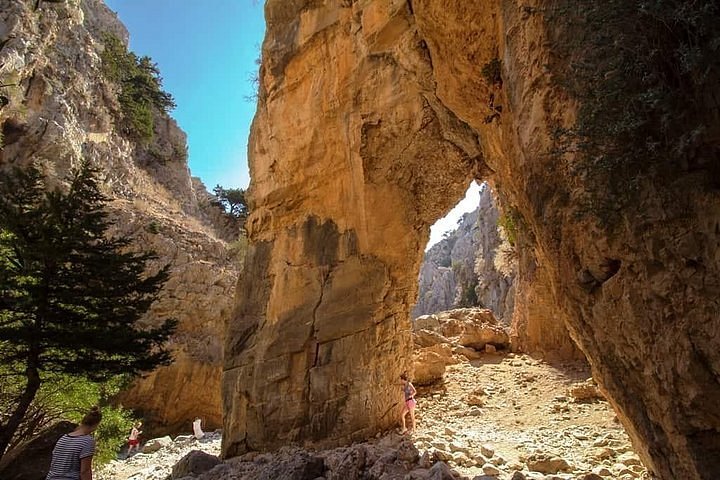
If you’re planning a trip to Crete and love nature, hiking, or simply being away from crowds, Imbros Gorge might just become your favorite discovery. Unlike its more famous sibling, Samaria Gorge, Imbros offers a more peaceful, family-friendly experience without sacrificing stunning views, wild terrain, or a taste of authentic Cretan wilderness.
Table of Contents
- What is Imbros Gorge?
- Where is Imbros Gorge Located?
- Imbros Gorge vs Samaria Gorge: What’s the Difference?
- Hiking the Imbros Gorge: What to Expect
- Best Time to Visit Imbros Gorge
- What to Pack for Your Hike
- How to Get to Imbros Gorge
- Where to stay
- Local Tips for Visiting Imbros Gorge
- Final Thoughts
1. What is Imbros Gorge?
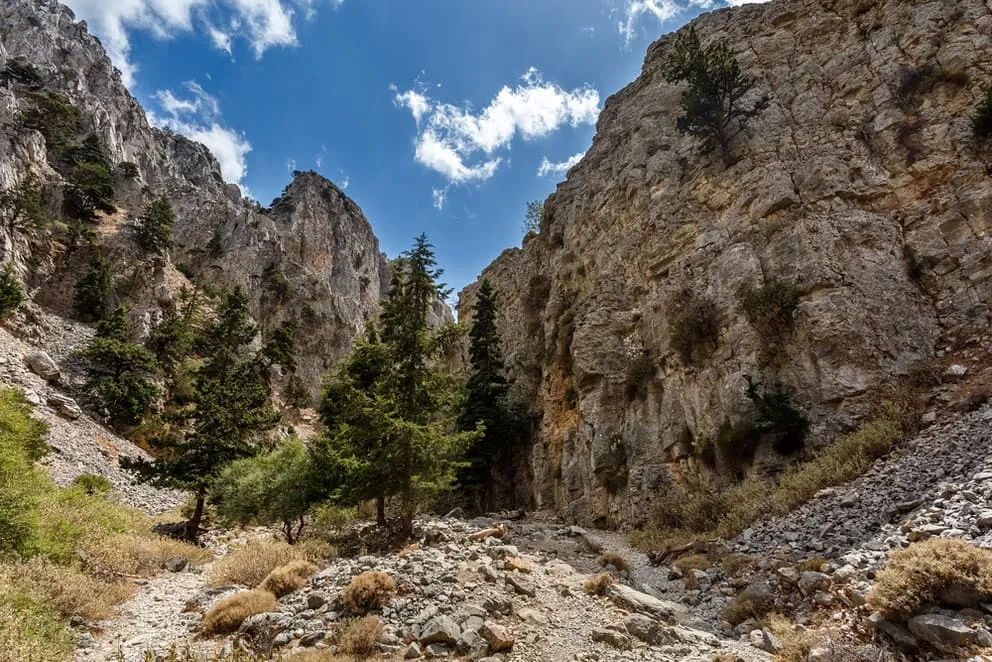
Imbros Gorge is an 8-kilometer-long canyon carved through the White Mountains (Lefka Ori) of Crete. It’s part of the E4 European long-distance path, a network of hiking trails that spans several European countries.
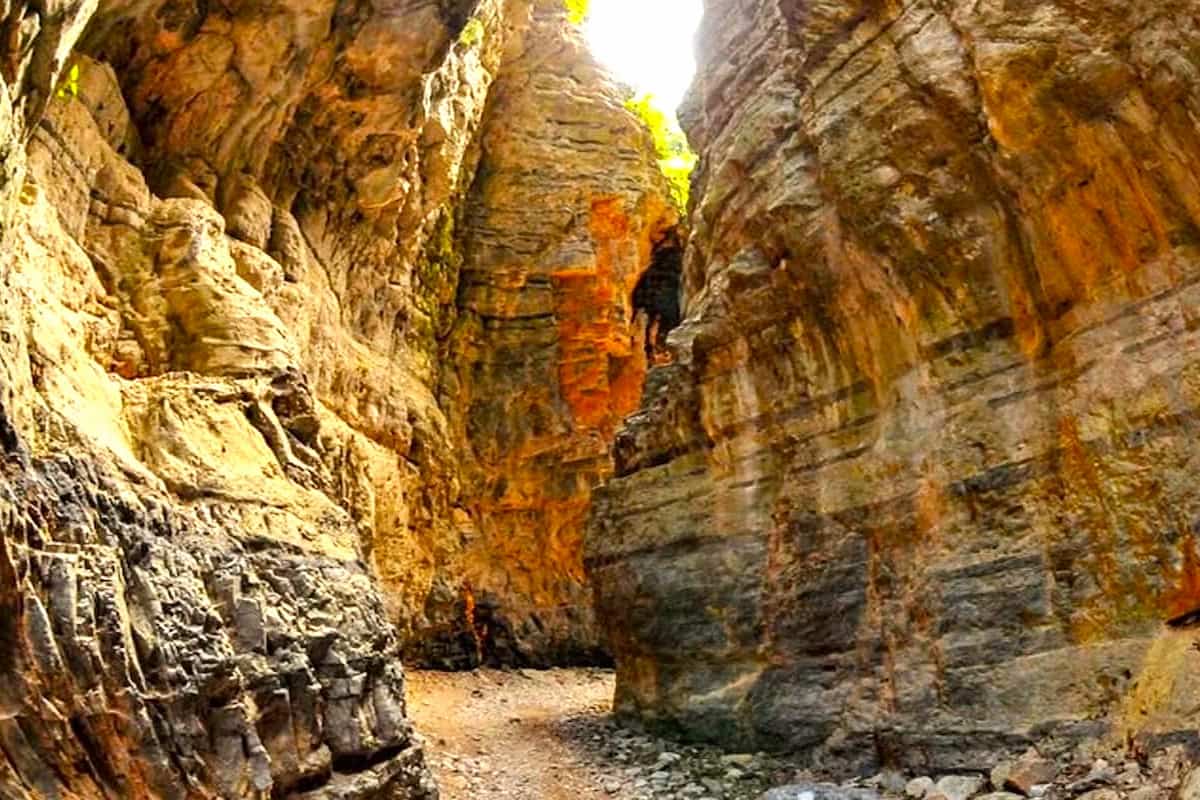
The gorge was once an important strategic route, even used during World War II as an evacuation path by Allied troops. Today, it’s a tranquil trek through high limestone walls, narrow passages (as tight as 1.6 meters!), and lush vegetation.
2. Where is Imbros Gorge Located?
Imbros Gorge begins in the mountain village of Imbros and descends southward to the village of Komitades, near the Libyan Sea. It’s located in southwestern Crete, about:
- 55 km from Chania (approx. 1.5 hours by car)
- 75 km from Rethymno
- 130 km from Heraklion
Despite being lesser-known, it’s easily accessible by car or public transport, making it one of the best hiking trails in Crete for all experience levels.
3. Imbros Gorge vs Samaria Gorge: What’s the Difference?
Many visitors ask whether they should hike Imbros Gorge or Samaria Gorge. Here’s a quick comparison to help you decide:
| Feature | Imbros Gorge | Samaria Gorge |
|---|---|---|
| Length | 8 km | 16 km |
| Difficulty | Easy to moderate | Moderate to strenuous |
| Duration | 2–3 hours | 5–7 hours |
| Crowds | Fewer tourists | Very popular and crowded |
| Accessibility | Open year-round | Seasonal (May–October) |
| Family Friendly | Yes | Not recommended for kids |
| Views | Narrow walls, lush and scenic | Larger, more dramatic scale |
If you’re short on time or not keen on a full-day trek, Imbros Gorge is the ideal alternative.
4. Hiking the Imbros Gorge: What to Expect
The hike starts at the village of Imbros, at an elevation of about 780 meters. You’ll find a small parking area and a few tavernas where you can grab a bite before or after the hike.
Trail Overview:
- Distance: 8 km (5 miles)
- Duration: 2–3 hours
- Difficulty: Easy to moderate
- Elevation Loss: ~600 meters
The path is mostly downhill, rocky in parts, and shaded by trees. Some highlights along the trail include:
- “Stenada”: the narrowest part of the gorge
- Towering cliffs on both sides
- Wildflowers, goats, and possibly griffon vultures overhead
- Rest spots with shade and stone walls
The trail ends in Komitades, where you can either:
- Grab a taxi back to Imbros (approx. €20–25)
- Arrange a round-trip with your own vehicle or a tour group
5. Best Time to Visit Imbros Gorge
The best time to hike Imbros Gorge is between April and October, when the weather is dry and the trail is accessible. Unlike Samaria, Imbros stays open year-round, but winter rains can make the path slippery.
Monthly Guide:
- Spring (April–May): Wildflowers in bloom, fewer crowds
- Summer (June–August): Hot, but shaded; go early
- Autumn (September–October): Ideal weather and good trail conditions
- Winter: Open but less maintained—hike with caution
Avoid midday hikes in peak summer. Morning treks offer the best light and temperature.
6. What to Pack for Your Hike
You don’t need to gear up like a pro for Imbros, but a few essentials will make your hike much more enjoyable:
Hiking Essentials:
- Sturdy walking or hiking shoes (trail is rocky)
- Sunscreen and a hat
- 1–2 liters of water
- Light snacks or fruit
- A camera or phone for photos
- Cash for entrance fee (€2) and taxi/taverna
- A lightweight backpack
7. How to Get to Imbros Gorge
By Car:
Drive to Imbros village and park near the trailhead. You can arrange a taxi from Komitades back to your car after the hike.
By Bus: KTEL Chania
- Take a bus from Chania to Chora Sfakion, getting off at Imbros
- After the hike, walk or taxi to Chora Sfakion (or back to Imbros) for the return bus
Tours:
Many local operators offer guided tours or shuttle transport from popular towns like Chania, Rethymno, or Heraklion.
8. Where to stay?
If you haven’t decided yet how to reach Imbros Gorge or how to combine it with Chania and other nearby attractions, the best starting point is to choose a convenient region to base your stay. Ideally, this should be a place that offers comfort, accessibility, and easy access to the most beautiful sights in western Crete.
Artemis Apartments is one such place — located in Kato Stalos could serve the beginning of your explorations. Whether you’re planning day trips to Balos Lagoon, Elafonisi, or the Samaria Gorge, or you simply want to relax near the beach while staying close to Chania, Artemis Apartments provides an ideal blend of location, convenience, and hospitality.
9. Local Tips for Visiting Imbros Gorge
- Eat in Komitades: Try local Cretan dishes like dakos, mizithra cheese, or Sfakian pies.
- Combine with a beach trip: After your hike, head to Frangokastello or Chora Sfakion for a swim.
- Start early: Beat the heat and avoid midday sun.
- Don’t skip the entrance fee: It helps support maintenance and trail preservation.
- Support local vendors: Buy a fresh orange juice or souvenir from the trail-end shops.
10. Final Thoughts
Imbros Gorge is more than just a great hike—it’s a chance to connect with Crete’s wild beauty without the hassle of long, crowded treks. Whether you’re a seasoned hiker, a nature-loving traveler, or a family looking for outdoor fun, Imbros delivers peace, scenery, and a touch of ancient history.
So next time someone asks you for things to do in Crete, tell them about the whispering winds, the ancient rocks, and the goat trails of Imbros Gorge—a place where nature still speaks loud and clear.
Did You Know?
Imbros Gorge and the nearby village are named after the island of Imbros (now Gökçeada, Turkey), because the inhabitants once migrated to Crete centuries ago.